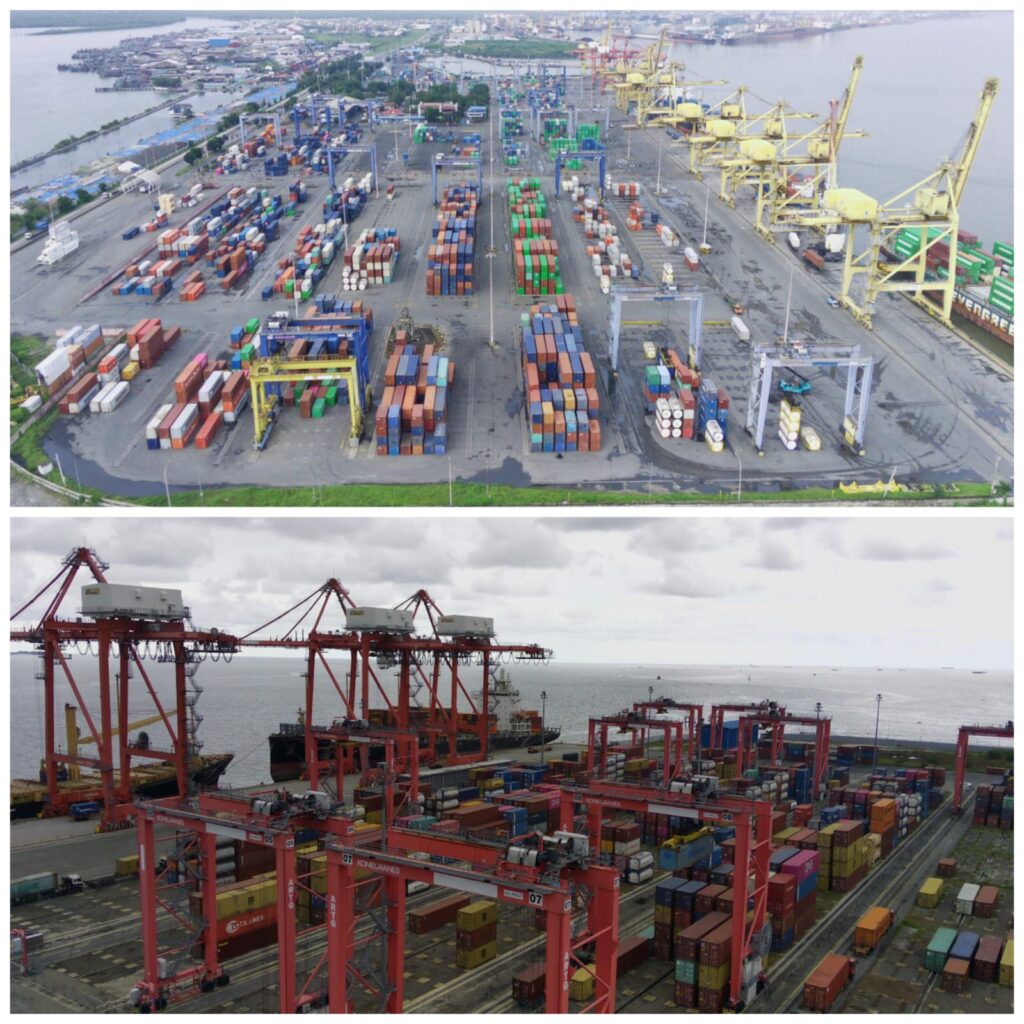

FORMABEMNEWS. BELAWAN, INDONESIA — While official reports highlight a 5% growth in container traffic at Belawan Port—touted by authorities as a “positive signal” for the North Sumatra economy—a starkly different reality exists just beyond the port’s high-security concrete walls.

For the residents of North Medan, these economic statistics are merely numbers on a page, showing no correlation with improvements in their daily lives.
While the port serves as the third-largest logistics hub in Indonesia, the local community remains trapped in a cycle of systemic poverty and neglect.
A Tale of Two Worlds: Prosperity vs Poverty
The contrast between the modern, high-tech infrastructure of the port and the surrounding slums is profound.
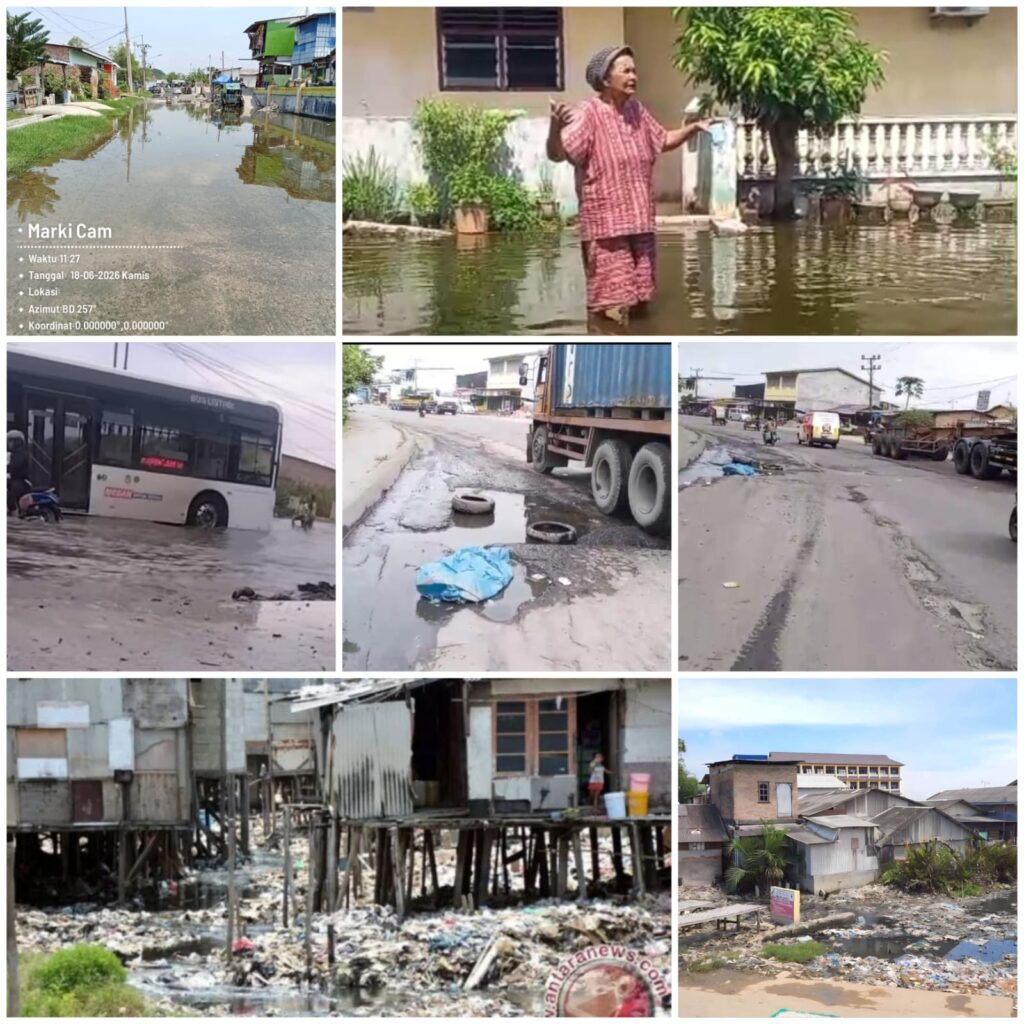
Residents live in the shadow of industrial expansion, facing daily hazards that have become a grim part of their existence:
– Infrastructure Hazards: Severely damaged roads, battered by the constant flow of heavy container trucks, have become a site of frequent, life-threatening accidents.
– Environmental Degradation: Constant exposure to stifling industrial dust and pollution has severely impacted the health of local families.
– Climate Vulnerability: Residents face the relentless, daily threat of tidal flooding (banjir rob), which remains unaddressed despite the massive economic activity in the area.
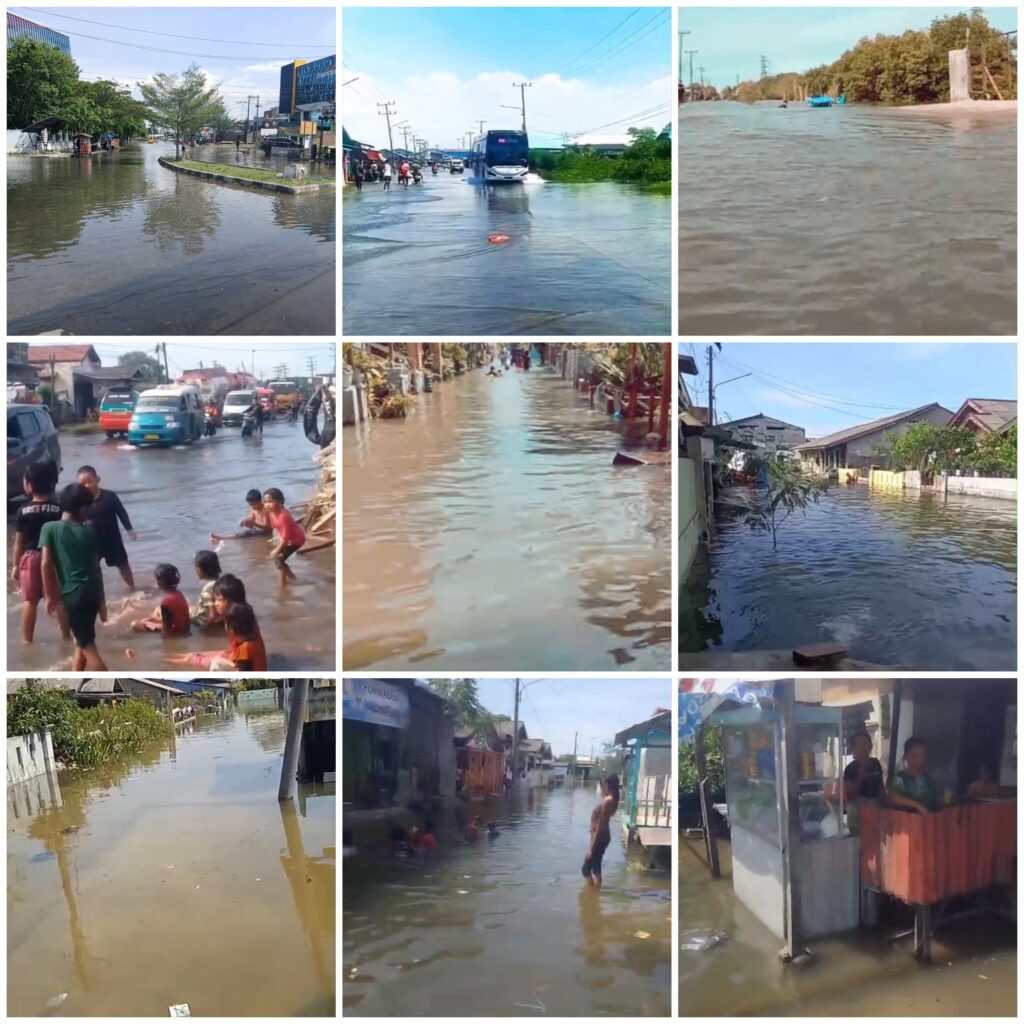
“Economic growth for whom?” asks members of the social advocacy organization FORMABEM. “For us, Belawan is a place where our health is stolen by pollution, and the wealth only circulates among a select few who have access to the inner corridors of power.”
Allegations of Greed and Graft
Public suspicion is mounting regarding the prevalence of “greed and graft” in the region. North Medan is increasingly viewed as a hotbed for opportunistic individuals who exploit bureaucratic loopholes and social inequality for personal gain.
Critics argue that Corporate Social Responsibility (CSR) programs—which are intended to bolster local welfare—have become mere box-ticking exercises, failing to provide any substantial economic empowerment or development for the indigenous community. Voices from the ground are now growing louder, demanding transparency.
Allegations of bribery and illicit back-channel deals at the port are surfacing, involving high-ranking officials. While port authorities celebrate rising operational performance, the residents living in the shadow of Pelindo Regional 1 facilities are left struggling simply to survive in an increasingly uninhabitable environment.
A Human Rights Crisis
This is no longer merely a matter of technical or economic policy; it is a human rights crisis.
North Medan stands as a silent witness to how a vital engine of the national economy can simultaneously serve as a source of deep suffering for its original inhabitants.
Without decisive action to address the root causes of corruption and systemic inequality, the narrative of a “positive economic signal” remains an empty public relations facade. It serves only to mask the harsh, lived realities of a community being left behind in the name of industrial progress.
(Red)